
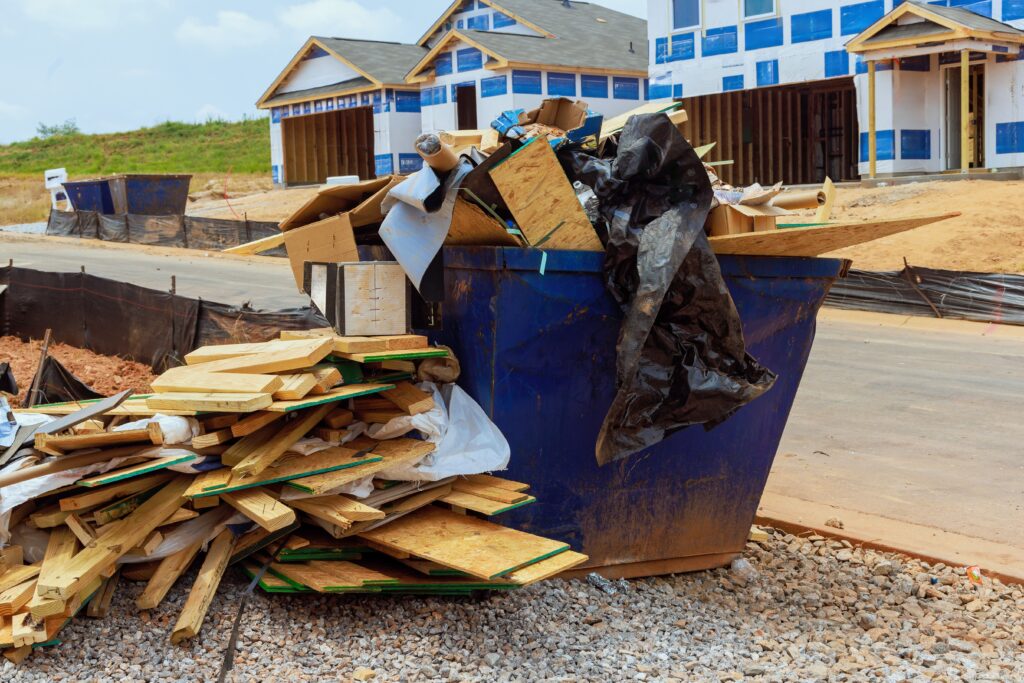
Pest infestations can cause health problems, upset customers, and even lead to code violations. If you manage a restaurant, property, or retail business, you need practical ways to stop these issues before they get worse. To prevent pests in outdoor dumpsters, start with consistent waste management.
Find out how a few easy steps can help keep your dumpster area clean and free of pests.
Why Your Dumpster Is a Magnet for Pests
Dumpsters provide rodents and insects with food, moisture, and shelter. Even a little exposed waste or spilled liquid can create strong smells that attract pests. Once they find a steady food source, they keep coming back and multiply.
Your 7-Step Action Plan for a Pest-Free Dumpster Area
Here are some simple and effective ways to cut down on pest activity around outdoor dumpsters. Use these steps every day as part of your waste routine to keep pests away.
1. Always Bag Your Trash (And Do It Right)
Loose trash attracts pests fast. Always use strong, puncture-resistant bags and tie them tightly before throwing them away. If you can, double-bag food waste, especially in restaurants. Sealed bags help control odors and stop leaks, making it harder for flies and maggots to breed near your dumpster.
2. Keep the Dumpster Lid Closed at All Times
Leaving the lid open lets pests get to food and shelter easily. Always close the lid after using the dumpster. Check the hinges and lid often to make sure they work well. Keeping the lid closed helps control smells, keeps scavengers away, and stops rodents and insects from getting in.
3. Don’t Let Trash Build Up Outside the Bin
Trash left outside the dumpster quickly attracts pests. Overflow brings rodents and insects faster than sealed trash inside the bin. Break down boxes, keep an eye on how full the dumpster is, and schedule pickups before it overflows. Keeping the area clean shows pests there’s nothing for them to find.
4. Schedule Regular Dumpster Cleaning and Washouts
Leftover residue and spills in dumpsters can attract pests, even if the trash is bagged. Washing out dumpsters regularly removes grease, food bits, and liquids that pests like. Regular cleaning helps prevent pests over time and keeps things more sanitary, especially for restaurants and food businesses.
5. Ensure Your Pickup Frequency Is Adequate
If pickups don’t happen often enough, waste builds up and attracts more pests. Check how much trash you have and adjust pickup times during busy periods. More frequent service keeps dumpsters under control and gives pests less time to settle in.
6. Use Strategic Dumpster Placement
Where you put your dumpster matters. Set dumpsters on flat ground, away from doors, patios, and customer areas. Don’t put them near fences, trees, or walls where pests can hide. Good placement keeps things cleaner and helps keep pests away from your building.
7. Manage Liquid Waste Properly
Liquids draw pests even faster than solid trash. Don’t pour liquids into dumpsters. Use sealed containers for grease and other liquids, clean up spills right away, and keep the area dry to stop pests from moving in.
What NOT to Do
Don’t take shortcuts that could cause compliance problems or bring in more pests.
Do Not:
- Spray harsh chemicals or pesticides inside or around dumpsters
- Prop dumpster lids open for convenience
- Pour liquids onto the ground or into dumpsters
- Ignore small spills or residue around the bin
- Allow overflow to sit outside the dumpster
Keeping things clean and handling waste the right way works much better than quick fixes.
When Your Pest Problem Requires a Better Waste Partner
If you still have pest problems after regular cleaning, your waste service might not be meeting your needs. Reliable pickups, clean dumpsters, and quick adjustments help prevent overflow and keep waste from sitting too long, which lowers the risk of attracting pests. TJ Services helps prevent pests by keeping dumpsters clean, secure, and matched to your waste volume.
Keep Pests Out With Smarter Waste Management
To keep pests away from dumpsters, you need to be consistent, handle waste properly, and have a reliable service. A clean dumpster starts with dependable pickups. Find out more about our flexible pickup schedules.
Contact us at TJ Services to create a waste plan that helps prevent pests and keeps your property clean.
Image credit: // Shutterstock // ungvar